Bike Parts & Accessories
Offers updated on: 12/06/2026. Paid and non-exhaustive ads

















Comprehensive Buying Guide for Bike Parts & Accessories in the UK
Understanding Bike Parts & Accessories : A Comprehensive Overview
For both casual riders and dedicated cyclists, the right bike parts and accessories are crucial to enhancing performance, safety, and overall enjoyment of the cycling experience. Whether you’re commuting to work, tackling rugged trails, or enjoying a leisurely ride through the countryside, the quality and suitability of your bike components can significantly impact your ride. High-quality parts can improve your bike's efficiency, ensure your safety, and provide comfort, making each journey more enjoyable. As you navigate the vast market of bike parts and accessories, understanding what’s available and how it affects your cycling can empower you to make informed purchasing decisions.
Key Components of a Bicycle
A bicycle consists of several key components, each playing a vital role in its overall functionality and performance.
The frame is the backbone of the bike, influencing its weight, durability, and ride quality. Common materials include aluminum, carbon fiber, and steel, each with distinct characteristics. Aluminum is lightweight and resistant to rust, making it popular for both road and mountain bikes. Carbon fiber, while more expensive, offers superior stiffness and shock absorption, ideal for competitive cyclists. Steel frames, known for their durability and comfort, are favored by touring cyclists.
The steering system , which includes the handlebars and stem, is crucial for rider comfort and control. Proper adjustments can help prevent discomfort during long rides. Look for handlebars that fit your riding style—flat bars for mountain biking or drop bars for road cycling.
The brake system is essential for safety, with options ranging from caliper brakes to disc brakes. Caliper brakes are lighter and simpler but may struggle in wet conditions, while disc brakes provide superior stopping power and performance in all weather conditions. Regular maintenance, such as checking brake pads and cables, is necessary to ensure optimal function.
The transmission system includes the pedals, crank, chain, and derailleurs, which work together to transfer power from the rider to the wheels. A well-maintained transmission system ensures smooth gear changes and efficient power transfer. Regularly lubricating the chain and checking for wear on components can prolong their lifespan.
Finally, the wheelset is a critical factor influencing speed and stability. Lightweight wheels enhance performance, while wider tires offer better grip and comfort on rough terrain. Consider your riding style when selecting wheels, as different types cater to various cycling disciplines.
Essential Bike Accessories for Safety and Visibility
Safety should always be a priority for cyclists, and investing in essential accessories can significantly enhance your visibility and protection on the road.
- Helmets are non-negotiable; they protect your head in the event of a fall. When choosing a helmet, ensure it fits snugly and meets safety standards. Road helmets are typically lighter and more aerodynamic, while mountain bike helmets offer additional coverage and features like visors.
- Bike lights are crucial for visibility, especially during low-light conditions. Front lights should be bright enough to illuminate the road ahead, while rear lights increase your visibility to others. Look for lights with multiple settings, such as steady and flashing modes, to adapt to different riding environments.
- Patch kits are essential for emergency repairs, allowing you to fix punctured tires on the go. A good kit should include tire levers, patches, and adhesive. Additionally, consider carrying a saddle bag to store your patch kit and other essentials without compromising aerodynamics.
Additional Accessories to Enhance Your Cycling Experience
Beyond safety, several accessories can enhance your overall cycling experience.
- Bike computers or GPS devices are invaluable for tracking distance, speed, and navigation. When selecting a bike computer, consider features like GPS functionality, heart rate monitoring, and connectivity with smartphones or fitness apps.
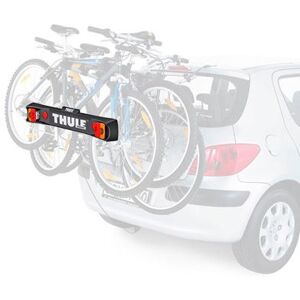
- Bike racks and stands are essential for transporting your bike securely. Roof racks, hitch-mounted racks, and trunk-mounted options are available, catering to various vehicle types and user needs. Ensure that the rack you choose is compatible with your bike and vehicle.
- Bicycle phone mounts are increasingly popular, allowing riders to navigate or track fitness metrics easily. Look for mounts that securely hold your phone while absorbing shocks from rough terrain.
- Tool kits are another must-have, enabling on-the-go repairs and adjustments. A basic toolkit should include tire levers, a multi-tool, and a mini-pump or CO2 inflator. Having the right tools at your disposal can save you from being stranded during a ride.
Understanding Different Product Types and Features
When shopping for bike parts and accessories, it’s essential to understand the various sub-categories and their features.
- Bike Safety & Visibility Accessories encompass helmets, lights, reflective gear, and bells. Look for high-visibility colors and materials to ensure you’re seen by motorists.
- Bike Storage & Transport Equipment includes racks, stands, and cases designed to protect your bike during transport and storage. Consider your specific needs—whether it’s a portable stand for home use or a durable rack for road trips.
- Bike Spare Parts are essential for maintenance and repairs. Common replacements include brake pads, chains, and tires. Familiarize yourself with the specifications of your bike to ensure compatibility.
- Bike Accessories can enhance your ride experience. From water bottle cages to handlebar grips, these add-ons can improve comfort and convenience.
- Bike Computers & Sensors provide valuable data on your performance. Look for features like GPS tracking, speed, and cadence monitoring to help you achieve your fitness goals.
- Scooter Accessories may also be relevant for those who use scooters for short commutes. Accessories like helmets and lights can enhance safety and visibility.
- Bike Maintenance & Care Products are vital for keeping your bike in top shape. Regular cleaning and lubrication can extend the life of your bike components.
Best Products in Each Category
To help you navigate your options, here are some top-rated products across different categories:
Bike Safety & Visibility Accessories
- Budget Option : Bell Striker 3 Bike Bell – A reliable and affordable safety accessory for alerting pedestrians and vehicles.
- Mid-Range Pick : CATEYE Volt 800 Front Light – Offers powerful illumination with multiple settings, perfect for night rides.
- Premium Selection : Giro Syntax MIPS Helmet – Combines safety, comfort, and ventilation, featuring advanced impact protection.
Bike Storage & Transport Equipment
- Budget Option : Ibera Bicycle Rack – A cost-effective solution for securely transporting your bike.
- Mid-Range Pick : Thule T2 Pro XT 2 Bike Rack – A versatile and sturdy hitch-mounted rack for easy loading and unloading.
- Premium Selection : Saris SuperClamp EX 2-Bike Hitch Rack – Offers premium features and construction for frequent travelers.
Bike Spare Parts
- Budget Option : Shimano Deore XT Brake Pads – Affordable replacements that deliver reliable performance.
- Mid-Range Pick : KMC X10 Chain – Known for durability and smooth shifting, a great value for performance cyclists.
- Premium Selection : Zipp 404 Firecrest Carbon Clincher Wheelset – High-end wheels that provide excellent aerodynamics and speed.
Bike Accessories
- Budget Option : Topeak Water Bottle Cage – A simple yet effective solution for hydration on the go.
- Mid-Range Pick : Bontrager Comp Gel Handlebar Tape – Provides comfort and grip for longer rides.
- Premium Selection : Garmin Edge 1030 Plus – A feature-rich bike computer with advanced navigation and performance tracking.
Buying Tips for Smart Shoppers
To ensure you make the best purchasing decisions, consider these actionable tips:
- Comparing Features : Always evaluate products based on your specific needs. Look for features that align with your riding style and frequency.
- Understanding Price Trends : Keep an eye on seasonal deals and discounts. Many retailers offer sales during the off-season, which can help you save significantly.
- Researching Brands : Familiarize yourself with reputable brands known for quality and customer satisfaction. Reading customer reviews can provide insights into product performance and durability.
- Warranty and Return Policies : Before making a purchase, check the warranty and return policies. A good warranty can provide peace of mind, especially for high-value items.
Common Questions and Concerns
As you embark on your shopping journey, you may have some questions:
- What should I prioritize when purchasing bike parts? Focus on safety and comfort first, followed by performance-enhancing components.
- How do I know if a product is right for my bike type? Always check compatibility specifications before purchasing spare parts or accessories.
- Are there specific brands known for quality in certain categories? Brands like Shimano , SRAM , and Bontrager are well-regarded for their reliability in bike components.
- How often should I replace certain parts or accessories? Regular maintenance checks can help determine when parts need replacing, but common indicators include decreased performance or visible wear.
Professionnals
Due to technical constraints, Kelkoo cannot guarantee the complete accuracy, nor the completeness of the information provided by the merchants. As a result, and due to the nature of Kelkoo's activities, in the event of discrepancies between the information displayed on the Kelkoo website or ads and the one displayed on the merchant's website, the latter will prevail. Prices shown are including all fees. - Learn more
 company