Calculators
Sponsored and non-exhaustive results.














Comprehensive Buying Guide for Calculators in the UK
Understanding the Calculator Market in the UK
The calculator market in the UK has seen a steady evolution, reflecting advancements in technology and changing consumer preferences. With the increasing reliance on digital devices, one might wonder about the relevance of traditional calculators . However, calculators remain essential tools in various professional settings and educational environments. From students tackling complex equations to professionals managing financial data, calculators provide the precision and functionality needed to enhance productivity and accuracy.
In recent years, the demand for specific types of calculators has shifted, influenced by trends in education and the workplace. For instance, graphic calculators have gained popularity among students studying advanced mathematics and science, while desk calculators are staples in offices for everyday calculations. Understanding these trends can help consumers make informed decisions when selecting the right calculator for their needs.
Types of Calculators : An Overview
The UK market offers a diverse range of calculators , each designed to cater to different needs. Here’s a closer look at the main types:
- Graphic Calculators : These devices are equipped with advanced functionalities, including the ability to plot graphs and perform complex calculations. Ideal for students in higher education, graphic calculators are essential for subjects like calculus and physics. They often come with large screens that facilitate the visualization of data.
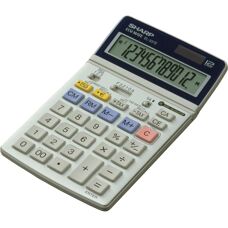
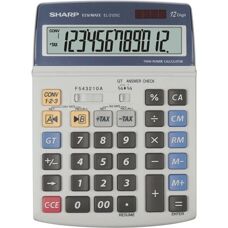
- Desk Calculators : Perfect for office use, desk calculators are designed for efficiency and ease of use. They typically feature larger buttons and displays, making them suitable for frequent calculations. Many models come with memory functions and tax calculation features, catering to business needs.
- Pocket Calculators : Compact and portable, pocket calculators are designed for on-the-go calculations. They are lightweight and can easily fit into a bag or pocket, making them ideal for students and professionals who need quick access to basic functions.
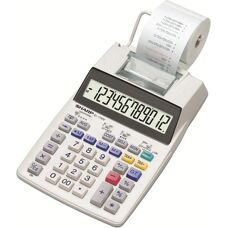
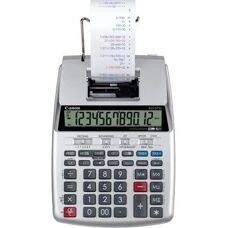
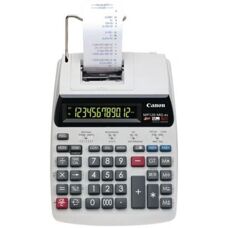
- Printing Calculators : These calculators are essential for accounting and finance professionals. They provide printed receipts of calculations, which is crucial for record-keeping and verification. Printing calculators often come with advanced functions such as tax calculations and currency conversion.
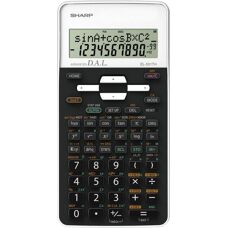
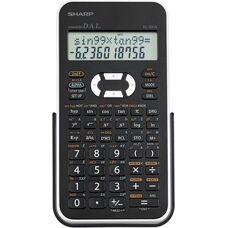
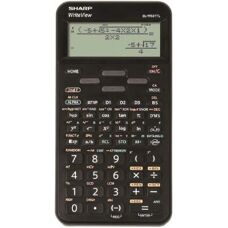
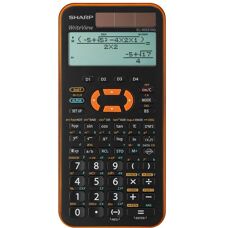
- Scientific Calculators : A staple for STEM students and professionals, scientific calculators handle a wide range of functions, including trigonometric, logarithmic, and exponential calculations. They are particularly useful in fields such as engineering, physics, and chemistry.
Key Features to Consider When Buying a Calculator
When choosing a calculator , it’s essential to consider several key features that can significantly impact usability and functionality.
- Display Type and Size: A clear and readable display is crucial, especially for complex calculations. Graphic calculators often feature larger screens with backlighting, while pocket calculators may have smaller displays. Assessing the size and clarity of the display can help you avoid strain during use.
- Battery Life and Power Source: Depending on your usage, battery life can be a significant factor. Many calculators use standard batteries, while some come with rechargeable options. Consider how often you’ll use the calculator and whether you prefer the convenience of a rechargeable model.
- Functionality: Determine whether you need basic functions or advanced features. For instance, if you’re a student, a graphic or scientific calculator might be necessary for your coursework. Conversely, if you only need to perform simple arithmetic, a basic desk or pocket calculator may suffice.
- Portability and Design: If you’re frequently on the move, a lightweight and compact design is essential. Pocket calculators are designed for portability, while desk calculators are bulkier but offer more features. Consider where and how you plan to use your calculator to choose the right design.
Best Calculators in Each Category
To help you navigate the diverse calculator landscape, here are some top-rated options across different categories:
Best Graphic Calculators for Students:
- Texas Instruments TI-84 Plus : This calculator is widely used in schools for its robust graphing capabilities and user-friendly interface. It features a large display and a variety of preloaded functions, making it ideal for advanced mathematics.
- Casio fx-9860GII : Known for its fast processing speed and large screen, this model is perfect for students needing to perform complex calculations quickly.
Most Efficient Desk Calculators for Office Use:
- Casio MS-80B : This compact desk calculator offers essential functions, including tax calculations and a memory feature, making it ideal for everyday office tasks.
- Sharp EL-1197PIII : With a large, easy-to-read display and a built-in printer, this calculator is perfect for professionals who require printed calculations for record-keeping.
Top Pocket Calculators for Portability:
- Casio SL-300NC : This budget-friendly pocket calculator is lightweight and features basic functions, making it perfect for students needing quick calculations on the go.
- Texas Instruments TI-30X IIS : This scientific calculator is compact yet powerful, offering essential functions in a portable design, ideal for students and professionals alike.
Recommended Printing Calculators for Accounting and Finance:
- Canon P23-DHV : This printing calculator features a two-color print function and is ideal for accounting tasks. Its compact design makes it suitable for any workspace.
- Sharp EL-1801V : Known for its reliability, this model offers a variety of functions, including tax calculations and a large display, making it a favorite among finance professionals.
Leading Scientific Calculators for STEM Professionals:
- Texas Instruments TI-36X Pro : This scientific calculator is designed for advanced mathematics and engineering, featuring a multi-line display and a variety of functions.
- Casio fx-991EX : With its high-resolution display and advanced features, this calculator is perfect for STEM students and professionals who need to perform complex calculations.
Price Ranges and Value for Money
The price of calculators can vary significantly based on their type and features. Understanding what to expect at different price points can help you find the best value for your needs.
- Budget-Friendly Options: Basic calculators can range from £5 to £20. These models typically cover essential functions and are suitable for students or anyone needing simple calculations.
- Mid-Range Best-Value Options: Prices for mid-range calculators typically fall between £20 and £50. These calculators often offer additional features, such as memory functions, larger displays, and better battery life, making them suitable for office use or more advanced studies.
- High-End Premium Alternatives: Premium calculators can cost £50 and above. These models often include advanced functionalities, such as graphing capabilities and specialized functions for scientific calculations. They are ideal for professionals or students in demanding academic programs.
Buying Tips for Calculators
When purchasing a calculator , it’s crucial to assess your specific needs. Consider the following tips to make an informed decision:
- Assess Your Specific Use Case: Think about where and how you will use the calculator . If you’re a student, consider the subjects you’ll be studying and choose a model that meets those requirements. For office use, prioritize models with printing capabilities or memory functions.
- Consider Brand Reputation and Customer Reviews: Research brands known for their reliability and quality. Reading customer reviews can provide insights into the performance and durability of different models, helping you make a more informed choice.
- Importance of Warranty and Customer Support: A good warranty can provide peace of mind, especially for more expensive models. Ensure the brand offers customer support in case you encounter issues with your calculator .
Seasonal Deals and Trends in Calculator Purchases
The timing of your purchase can significantly impact the price you pay for a calculator . Seasonal trends often dictate when the best deals are available.
- Back-to-School Season: This period typically sees a surge in calculator sales , with many retailers offering discounts on models popular among students. Shopping during this time can help you secure a good deal.
- Holiday Discounts: Events like Black Friday and Cyber Monday often feature significant discounts on electronics, including calculators . Keep an eye out for these sales to find premium models at lower prices.
- Tips for Taking Advantage of Trends: To maximize savings, consider setting alerts for price drops on specific models you’re interested in. Price comparison websites can help you track the best deals across various retailers.
Conclusion: Making an Informed Purchase
Choosing the right calculator involves careful consideration of your needs, preferences, and budget. By understanding the different types of calculators available and their key features, you can make a confident and informed purchase. Remember to explore the recommended models in each category and compare prices across platforms to find the best deal. With the right calculator in hand, you’ll be well-equipped to tackle any calculation with ease and precision.
Professionnals
Due to technical constraints, Kelkoo cannot guarantee the complete accuracy, nor the completeness of the information provided by the merchants. As a result, and due to the nature of Kelkoo's activities, in the event of discrepancies between the information displayed on the Kelkoo website or ads and the one displayed on the merchant's website, the latter will prevail. Prices shown are including all fees. - Learn more
 company